




E-Bike Basics

Why E-Bikes Can Be a Bad Choice for Some Riders
Electric bikes can be heavy, expensive, and harder to repair. Learn the real drawbacks, who should avoid them, and when a long-range model makes sense.
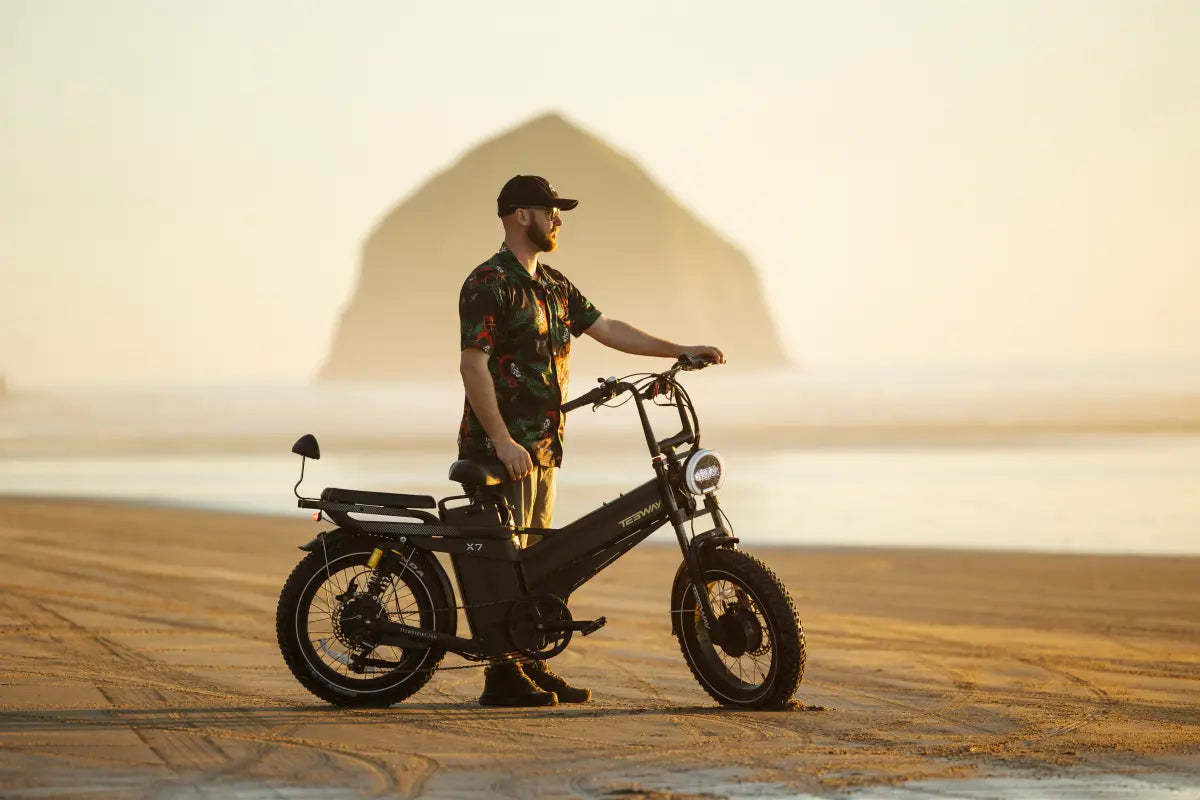
What Battery Do You Need for a 50 MPH Electric Bike?
A 50 mph electric bike usually needs a strong 60V or 72V battery, enough watt hours, high discharge current, and a BMS matched to the controller.

How Far Can a 50 MPH Electric Bike Go on One Charge?
A 50 mph electric bike may travel 40 to 80 miles at moderate speeds but only 15 to 35 miles near top speed, depending on battery size and riding conditions.

How to Choose a Bike Size: Find the Right Frame and Fit
Use our bike size calculator to match your height, inseam, and riding style with the right road, mountain, hybrid, or electric bike frame.
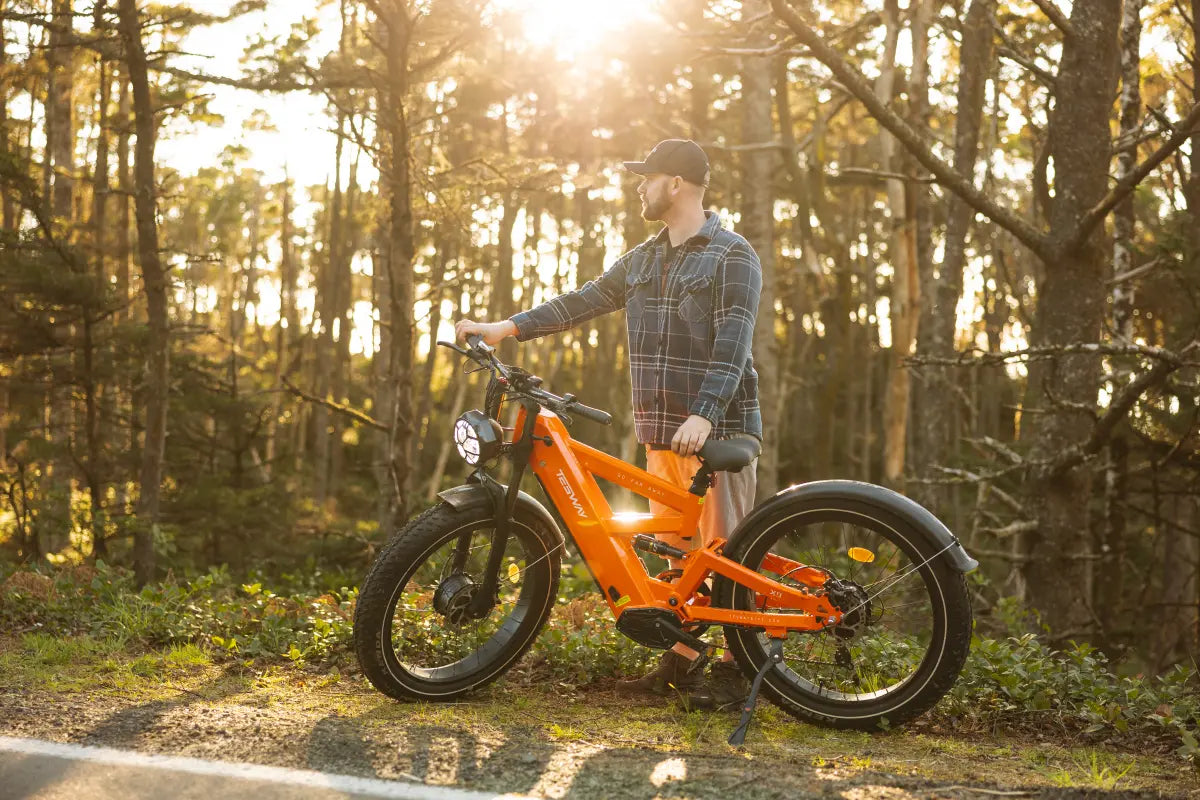
How Fast Is a 5000W Electric Bike?
Most 5000W e-bikes top out around 40–60 mph. Learn how battery voltage, motor design, controller limits, weight, tires, and terrain affect real speed.

Step Through vs Step Over Electric Bikes: Which Frame Is Better for You?
Compare step through and step over electric bikes by frame design, comfort, cargo use, stability, terrain, and which style fits your daily ride best.

Class 1 vs Class 2 vs Class 3 E-Bikes: Key Differences Explained
Class 1, 2, and 3 Electric bikes differ by throttle use, pedal assist, and top assisted speed. Learn which class fits your ride
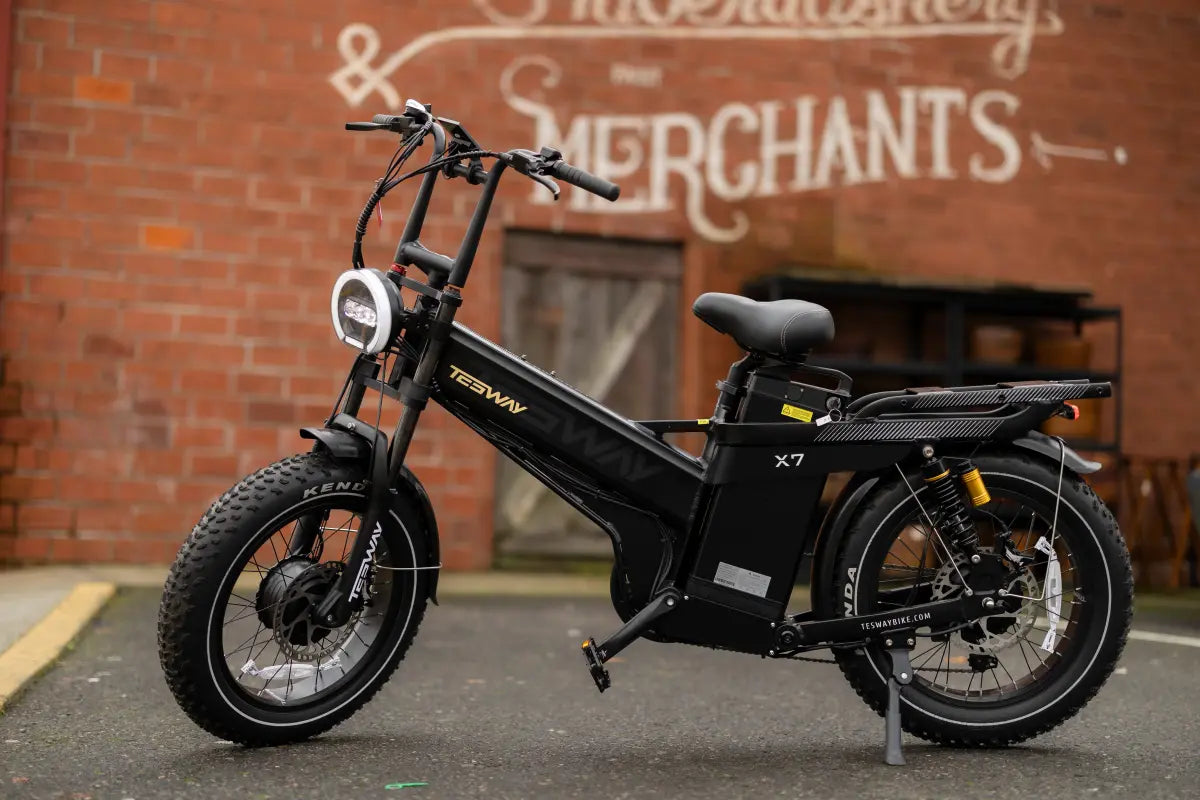
Bike Sign Meanings: What Does Each Bicycle Street Sign Mean?
Learn what common bike signs mean, including bike lanes, sharrows, crossings, bike boxes, no-bike signs, and e-bike road rules.

Ebike vs. Regular Bike: What’s the Difference?
Ebike vs regular bike: ebikes add motor assist for hills, distance, cargo, and commuting, while regular bikes are lighter and simpler.